API-First Architecture: Building Software That Integrates Seamlessly
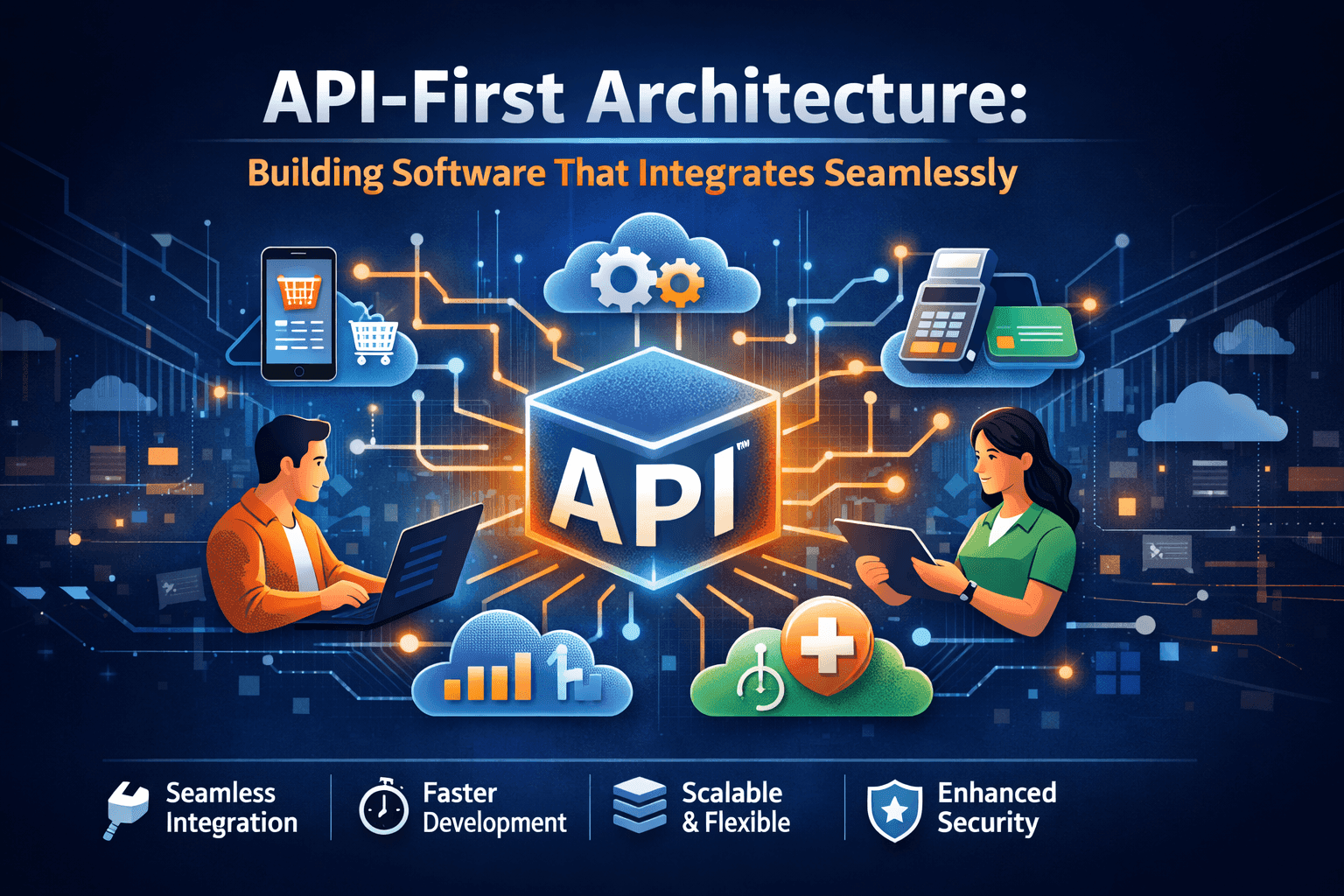
API-First Architecture: Building Software That Integrates Seamlessly
In today’s fast-moving digital world, businesses no longer operate in isolation. From mobile apps and web platforms to third-party integrations and cloud services, modern software ecosystems demand seamless connectivity. This is where API-first architecture comes into play.
At Accinge Technologies, we believe that building software with APIs at the core is not just a trend—it’s a necessity for scalable, future-ready solutions.
What is API-First Architecture?
API-first architecture is an approach where APIs (Application Programming Interfaces) are designed and developed before the actual application. Instead of treating APIs as an afterthought, they become the foundation of the entire system.
This means:
- Every feature is exposed through an API
- Frontend and backend development can happen simultaneously
- Integration with external systems becomes effortless
Why API-First Matters More Than Ever
1. Seamless Integration Across Platforms
Modern businesses rely on multiple tools—CRMs, payment gateways, analytics platforms, and more. API-first design ensures that your software can easily connect with these systems without complex rework.
2. Faster Development Cycles
When APIs are defined early, frontend and backend teams can work in parallel. This reduces bottlenecks and speeds up product delivery.
3. Better Scalability
API-first systems are modular by nature. You can scale individual components without affecting the entire application.
4. Improved Developer Experience
Clear API documentation and standardized endpoints make it easier for developers—both internal and external—to work with your system.
Key Principles of API-First Design
🔹 Design Before Development
Use tools like OpenAPI or Swagger to define endpoints, request/response structures, and authentication methods before writing code.
🔹 Consistency is Crucial
Maintain consistent naming conventions, error handling, and response formats across all APIs.
🔹 Security by Design
Incorporate authentication, authorization, and encryption from the beginning—don’t bolt it on later.
🔹 Versioning Strategy
Plan for API versioning to ensure backward compatibility as your product evolves.
Real-World Use Cases
- E-commerce platforms integrating payment gateways and logistics providers
- Fintech applications connecting with banking APIs
- Healthcare systems sharing patient data securely across platforms
- SaaS products offering public APIs for third-party developers
Challenges to Consider
While API-first architecture offers many benefits, it also comes with challenges:
- Requires strong upfront planning
- Needs robust API governance
- Demands proper documentation and maintenance
However, with the right expertise, these challenges can be effectively managed.
How Accinge Technologies Can Help
At Accinge Technologies, we specialize in designing and implementing API-first solutions tailored to your business needs. Whether you're building a new product or modernizing an existing system, our team ensures:
- Scalable and secure API architecture
- Seamless third-party integrations
- High-performance and reliable systems
- Future-ready digital solutions
👉 Explore more insights on our blog:
Accinge Blogs
Final Thoughts
API-first architecture is more than a technical approach—it’s a strategic advantage. It empowers businesses to innovate faster, integrate smarter, and scale effortlessly.
If you're looking to build software that truly connects and evolves with your business, API-first is the way forward.
Ready to transform your software architecture? Partner with Accinge Technologies and build systems that are designed for the future.