Remote Workforce Management in the GCC
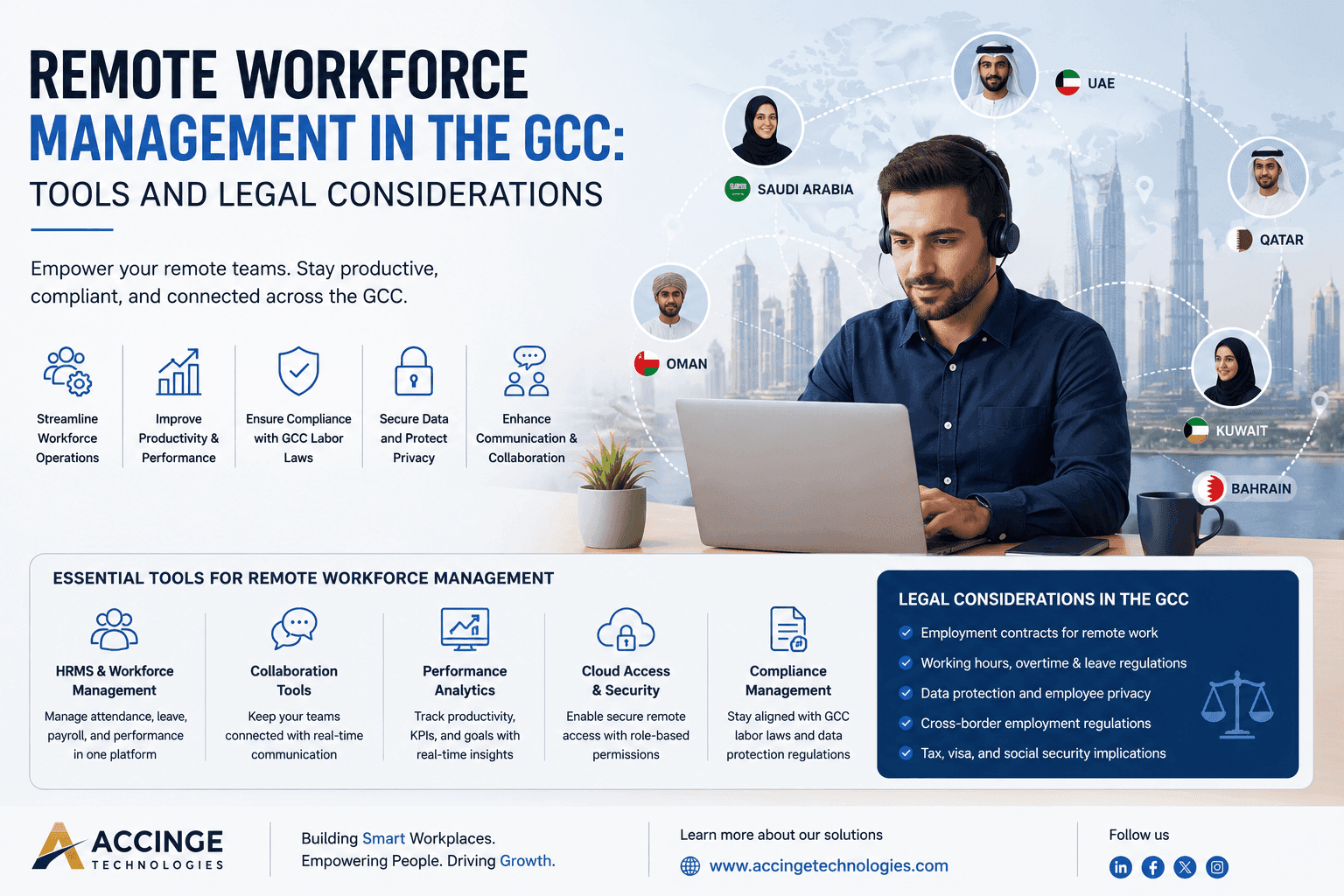
Remote Workforce Management in the GCC: Tools and Legal Considerations
The workplace has changed dramatically over the past few years, and across the GCC region, remote and hybrid work models are becoming a long-term business strategy rather than a temporary solution.
From technology companies in Dubai to enterprises operating across Saudi Arabia, Qatar, Kuwait, Bahrain, and Oman, businesses are increasingly managing distributed teams across borders.
While remote work offers flexibility and scalability, it also introduces new operational and legal challenges.
At Accinge Technologies, we help organizations build secure, scalable, and compliant workforce management solutions tailored for modern GCC businesses.
The Rise of Remote Work in the GCC
The GCC region has witnessed rapid digital transformation, supported by:
- Increased cloud adoption
- Government-led digital initiatives
- Expansion of hybrid workplaces
- Demand for flexible work environments
Today, organizations are prioritizing productivity, employee experience, and operational agility through remote workforce strategies.
Key Challenges in Remote Workforce Management
Managing remote teams across multiple GCC countries comes with complexities that businesses cannot ignore.
1. Workforce Visibility & Productivity
Without centralized systems, businesses often struggle with:
- Attendance tracking
- Performance monitoring
- Task visibility
- Team collaboration
Managers need real-time insights without creating intrusive monitoring environments.
2. Compliance with GCC Labor Laws
Each GCC country has unique labor regulations related to:
- Working hours
- Employee contracts
- Payroll structures
- Leave policies
- Data protection requirements
Organizations operating across borders must ensure compliance while managing remote employees efficiently.
3. Data Security & Privacy
Remote work increases cybersecurity risks.
Businesses must protect:
- Employee information
- Business data
- Internal communication systems
Secure access control and encrypted systems are essential.
4. Employee Engagement & Communication
Remote work can create:
- Communication gaps
- Reduced collaboration
- Employee isolation
Companies need tools that support engagement and transparency.
Essential Tools for Remote Workforce Management
Modern organizations rely on integrated digital systems to manage remote operations effectively.
HRMS & Workforce Platforms
A centralized HRMS helps manage:
- Attendance and leave
- Payroll and compliance
- Employee records
- Performance tracking
Explore workforce solutions:
Accinge Technologies
Collaboration & Communication Tools
Remote teams need platforms for:
- Video meetings
- Team messaging
- Project coordination
- File sharing
Strong communication improves productivity and team alignment.
Workforce Analytics & Reporting
Analytics dashboards help businesses:
- Monitor productivity trends
- Track employee performance
- Identify operational bottlenecks
Real-time reporting enables faster decision-making.
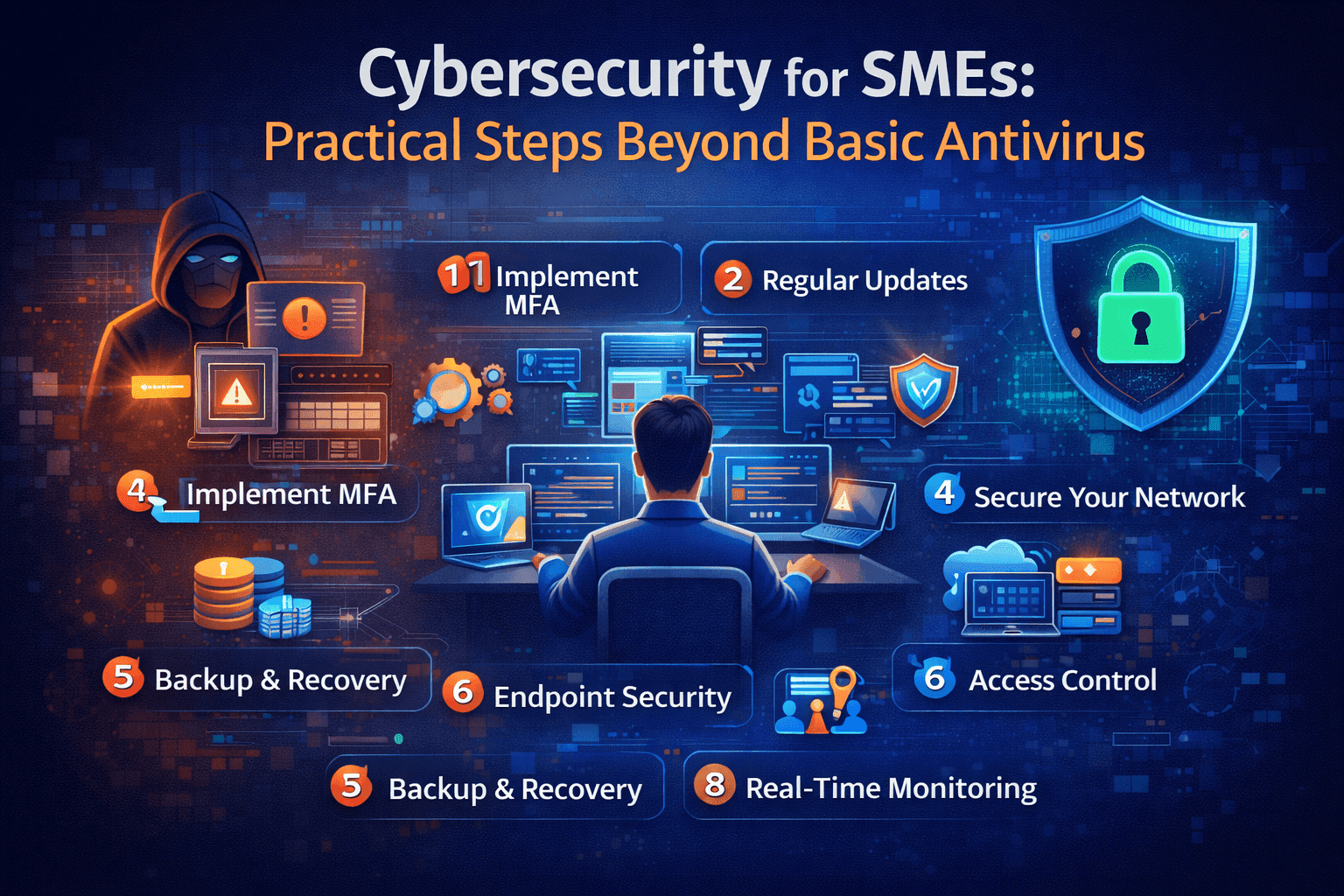
Cybersecurity & Access Management
Secure remote work environments require:
- Multi-factor authentication (MFA)
- VPN access
- Role-based permissions
- Data encryption
Security is critical for maintaining trust and compliance.
Legal Considerations for Remote Work in the GCC
Remote workforce management is not only about technology—it also requires legal awareness.
Employment Contracts
Remote work agreements should clearly define:
- Work responsibilities
- Working hours
- Communication expectations
- Data usage policies
Working Hour Regulations
Businesses must comply with country-specific labor laws regarding:
- Maximum working hours
- Overtime rules
- Leave entitlements
Data Protection Compliance
Organizations handling employee data must ensure:
- Secure data storage
- Transparent monitoring practices
- Compliance with regional privacy laws
Cross-Border Workforce Challenges
For businesses employing teams across GCC countries, considerations include:
- Payroll management
- Visa and residency requirements
- Tax implications
- Regional employment regulations
Benefits of Effective Remote Workforce Management
Companies that invest in modern workforce systems gain:
- Improved operational efficiency
- Better employee engagement
- Faster decision-making
- Enhanced compliance management
- Scalable remote work infrastructure
Remote work becomes sustainable when supported by the right technology and policies.
Future Trends in GCC Workforce Management
Businesses across the GCC are increasingly adopting:
- AI-powered workforce analytics
- Cloud-based HR platforms
- Hybrid work management systems
- Digital employee experience tools
- Automation-driven HR operations
Organizations embracing these trends are building more agile and future-ready workplaces.
How Accinge Technologies Helps
At Accinge Technologies, we provide scalable workforce management solutions designed for modern GCC enterprises.
Our expertise includes:
- HRMS implementation
- Workforce automation
- Compliance-ready systems
- Employee engagement platforms
- Secure cloud-based solutions
Learn more about our solutions:
Accinge Technologies
Explore More Insights from Accinge
Stay updated with the latest trends in digital transformation and workforce technology:
You may also like:
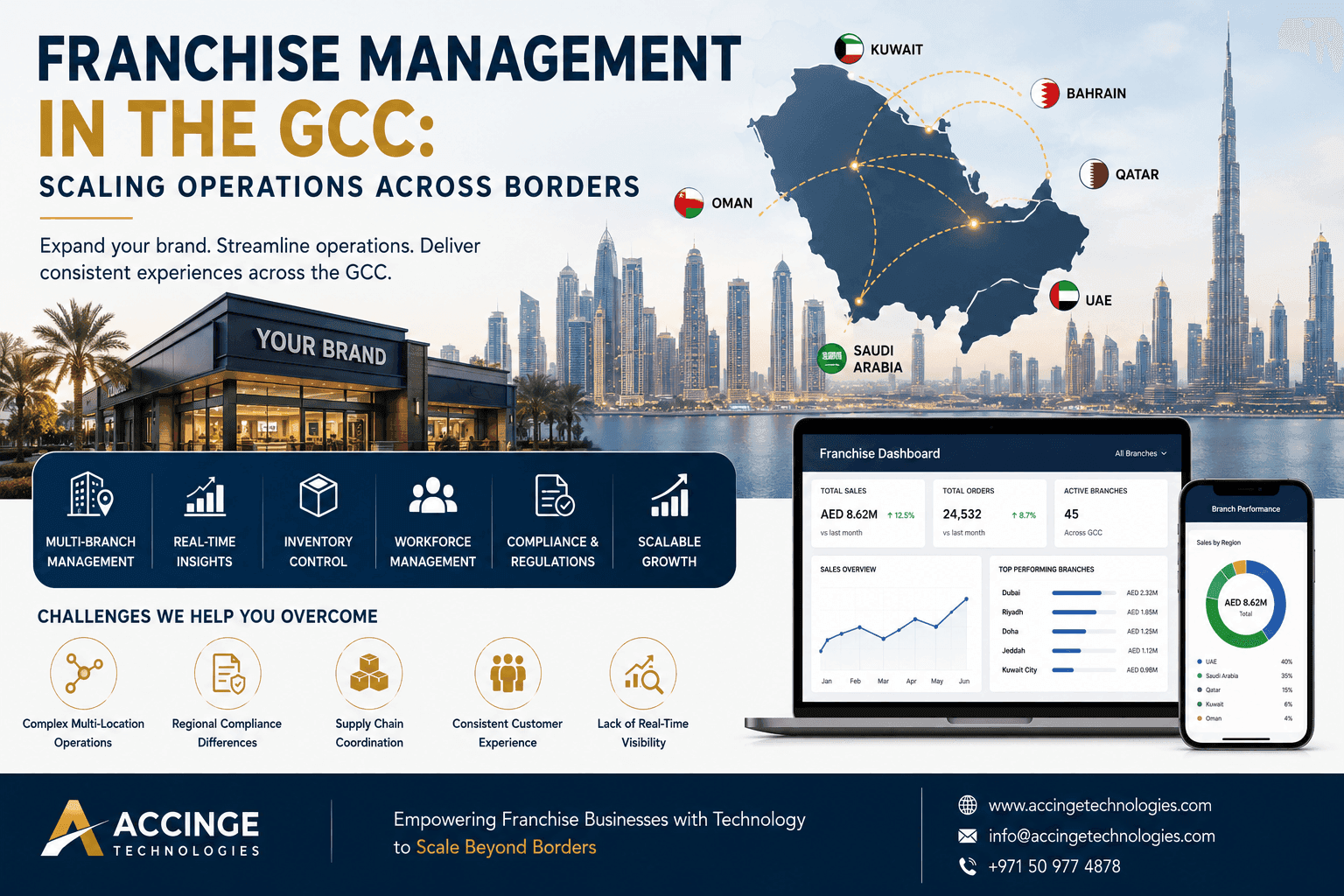
- Franchise Management in the GCC: Scaling Operations Across Borders
- AI-Powered ERP in UAE & Middle East
- Talent Retention in Dubai's Competitive Tech Market
These insights explore how technology is transforming businesses across the GCC.
Final Thoughts
Remote workforce management in the GCC is no longer just about enabling employees to work from home—it’s about creating a secure, compliant, and connected work environment.
Organizations that combine the right tools with strong legal and operational frameworks can improve productivity while maintaining employee satisfaction and compliance.
At Accinge Technologies, we help businesses build workforce ecosystems that are efficient, scalable, and future-ready.
“The future of work is not defined by location—it’s defined by how effectively businesses empower their people.”