The Future of Self-Checkout: Loss Prevention Strategies That Actually Work
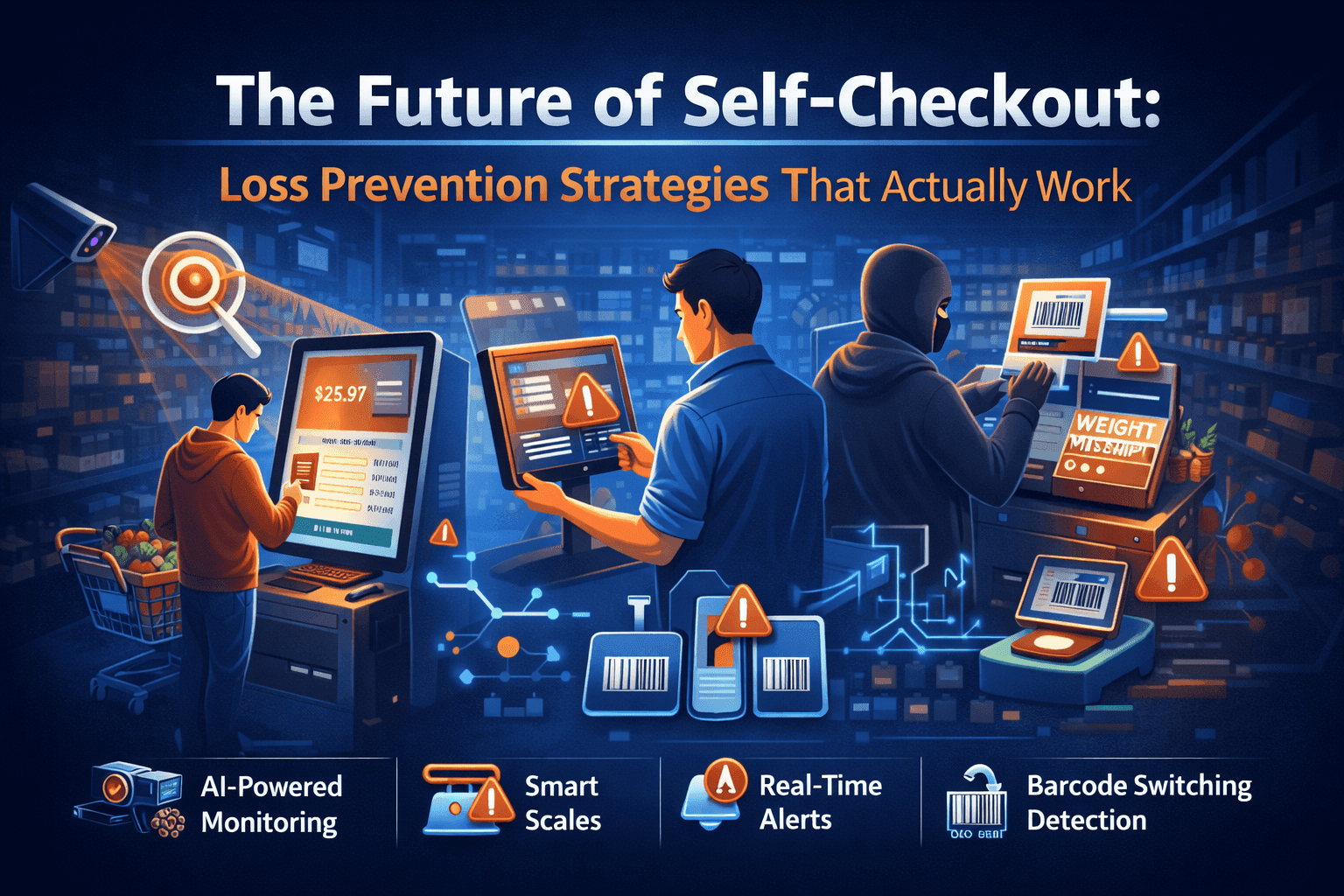
The Future of Self-Checkout: Loss Prevention Strategies That Actually Work
Self-checkout systems have transformed the retail experience. They offer speed, convenience, and reduced operational costs. But with these advantages comes a growing concern—shrinkage and loss prevention.
Retailers across the globe are now facing a critical question: How do we balance customer convenience with effective loss prevention?
At Accinge Technologies, we help businesses implement smart, technology-driven solutions that secure self-checkout systems without compromising user experience.
Why Loss Prevention Matters in Self-Checkout
Self-checkout reduces dependency on staff, but it also increases the risk of:
- Unintentional scanning errors
- Deliberate theft or “skip scanning”
- Barcode switching
- Weight mismatches
These issues can significantly impact revenue if not addressed properly.
The Evolution of Loss Prevention
Traditional methods like manual monitoring or random checks are no longer sufficient. Modern retail environments require intelligent, automated systems that can detect and prevent suspicious activities in real-time.
Strategies That Actually Work
🔹 1. AI-Powered Computer Vision
Using cameras combined with AI, retailers can track customer actions during checkout. These systems can:
- Detect unscanned items
- Identify unusual behavior patterns
- Trigger alerts for staff intervention
This ensures accuracy without slowing down the checkout process.
🔹 2. Smart Weight Verification
Advanced self-checkout systems use precise weight sensors to ensure scanned items match what’s placed in the bagging area.
- Prevents item substitution
- Detects missed scans
- Improves billing accuracy
🔹 3. Real-Time Alerts & Monitoring
Instead of relying on post-incident audits, modern systems provide real-time alerts when anomalies are detected.
- Immediate staff notification
- Faster issue resolution
- Reduced revenue loss
🔹 4. Data Analytics & Behavior Insights
Analyzing transaction data helps retailers identify patterns such as:
- Frequent errors at specific kiosks
- High-risk time periods
- Repeat suspicious behavior
This enables proactive decision-making and system improvements.
🔹 5. User Experience Optimization
A poorly designed interface can lead to genuine mistakes. Improving UX can significantly reduce losses:
- Clear instructions and prompts
- Faster scanning workflows
- Minimal friction during checkout
🔹 6. Integration with POS & Inventory Systems
Seamless integration ensures consistency across systems:
- Real-time inventory updates
- Accurate billing and reconciliation
- Better control over stock discrepancies
Challenges Retailers Must Address
While these technologies are powerful, implementation comes with challenges:
- Initial investment costs
- Privacy concerns with AI monitoring
- Integration with legacy systems
However, the long-term benefits far outweigh these hurdles.
How Accinge Technologies Can Help
At Accinge Technologies, we specialize in building intelligent retail solutions that combine:
- AI-driven monitoring systems
- Seamless system integrations
- Scalable and secure architectures
- Custom solutions tailored to retail workflows
We ensure your self-checkout systems are not just efficient—but also secure and future-ready.
👉 Explore more insights on our blog:
Accinge Blogs
Final Thoughts
The future of self-checkout lies in smart prevention, not just detection. Retailers who invest in the right technologies today will not only reduce losses but also enhance customer trust and experience.
By combining AI, data analytics, and seamless integrations, businesses can create a checkout experience that is both efficient and secure.
Looking to modernize your retail systems? Partner with Accinge Technologies and build smarter, safer self-checkout solutions.