Mobile App Development Trends Shaping 2026

In today’s hyper-digital economy, mobile apps are no longer just a channel—they’re the primary interface between your business and your customers, employees, and partners. With over 6.8 billion smartphone users globally (Statista, 2026) and mobile traffic accounting for nearly 75% of all digital interactions, companies that fail to invest in cutting-edge mobile experiences risk irrelevance.
At Accinge Technologies, we don’t just build mobile apps—we engineer strategic digital assets that drive engagement, automate workflows, and integrate seamlessly with your ERP, HRMS, CRM, and asset management systems. As we navigate 2026, several transformative trends are redefining what’s possible in mobile app development. Here’s what forward-thinking businesses need to know.
Discover how intelligent systems enhance operational visibility in our related guide: Asset Tracing System: Revolutionizing Business Asset Management.
1. AI-Powered Mobile Experiences: From Reactive to Predictive
Artificial Intelligence has moved from the backend to the frontline of user experience. In 2026, users expect apps that anticipate their needs—not just respond to them.
How We Embed AI Into Mobile Apps:
🔸 Personalized Recommendations:
E-commerce or service apps suggest products, services, or actions based on behavior, location, and past interactions.
🔸 Predictive Analytics:
Field service apps alert technicians about potential equipment failures before they occur—using data from IoT sensors and maintenance history.
🔸 RAG-Based In-App Chatbots:
Employees or customers ask natural language questions (“How do I reset my password?” or “Where is my order?”) and receive instant, accurate answers pulled from your knowledge base.
🔸 Smart Search & Voice Assistants:
Users speak or type queries like “Show me unpaid invoices” and get contextual results without navigating menus.
🔸 Behavioral Automation:
Apps auto-fill forms, suggest next steps, or trigger workflows based on usage patterns (e.g., “You usually submit a timesheet on Fridays—would you like to do it now?”).
These features don’t just improve convenience—they reduce support tickets, increase conversion rates, and boost productivity.
2. Cross-Platform Development: Speed, Consistency, and Cost Efficiency
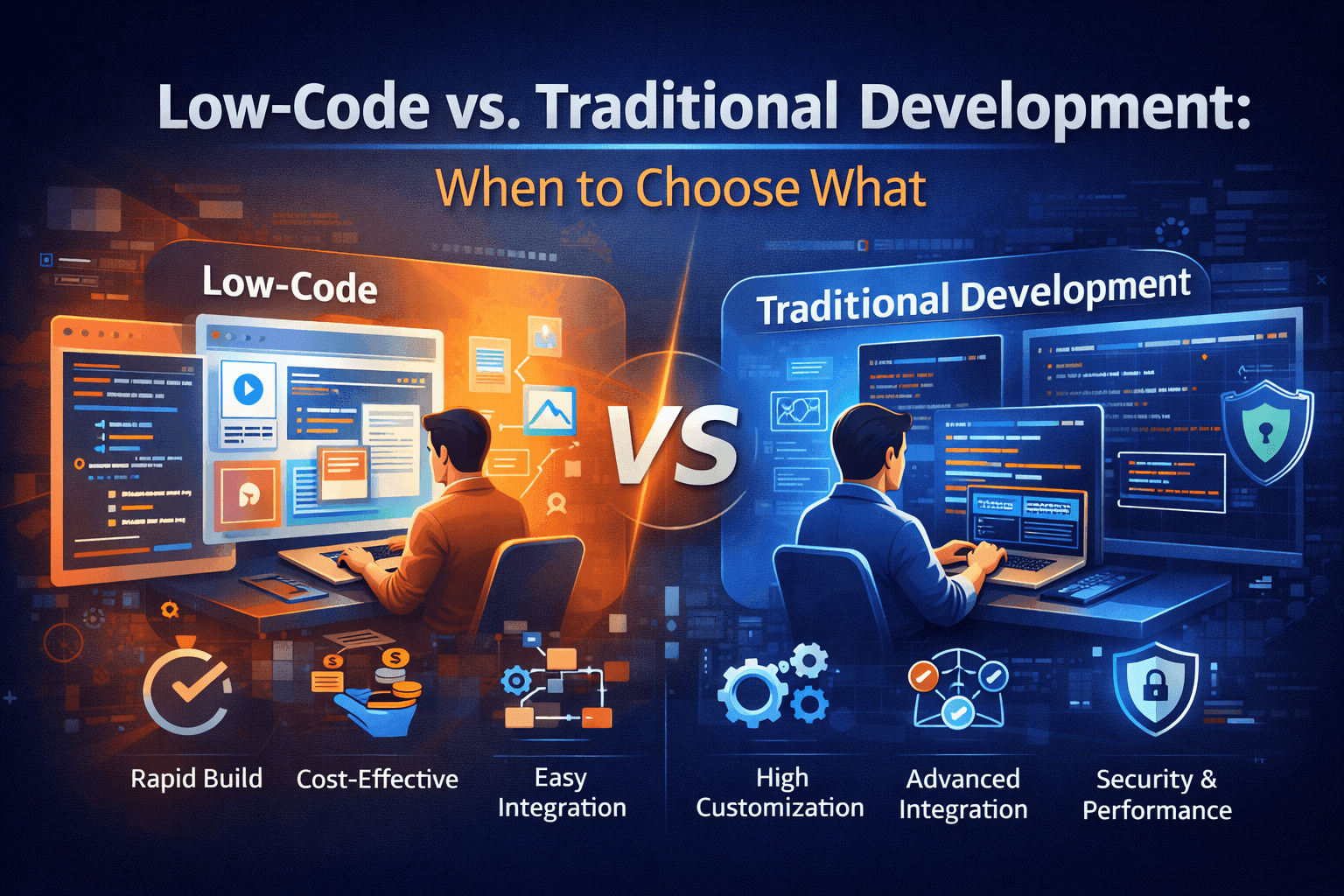
Gone are the days when businesses had to choose between iOS or Android—or pay double for native development. Cross-platform frameworks like React Native and Flutter now deliver near-native performance with a single codebase.
Why Businesses Choose Cross-Platform in 2026:
🔸 Faster Time-to-Market:
Launch on both iOS and Android simultaneously—cutting development cycles by up to 40%.
🔸Unified Brand Experience:
Consistent UI/UX across platforms strengthens brand recognition.
🔸 Lower Maintenance Costs:
Fix bugs or add features once, deploy everywhere.
🔸 Access to Native APIs:
Modern frameworks support camera, GPS, biometrics, and push notifications without compromise.
At Accinge, we use React Native with TypeScript and Flutter with Dart to build high-performance apps that feel native—while maximizing ROI for our clients.
3. The Rise of Super Apps and Integrated Ecosystems
The era of single-function apps is fading. In 2026, leading brands are consolidating functionality into super apps—all-in-one platforms that serve multiple user needs without switching contexts.
What Super Apps Include:
🔸 E-commerce + Payments:
Browse, buy, and pay within the same flow (e.g., integrated with Stripe, Apple Pay, or local gateways like Telr).
🔸 Loyalty & Rewards:
Track points, redeem offers, and receive personalized promotions.
🔸 Customer Support:
Live chat, ticketing, and AI self-service—all inside the app.
🔸 Internal Tools:
For field teams—time tracking, inventory scanning, job dispatch, and reporting.
🔸 Booking & Scheduling:
Reserve tables, appointments, or services with real-time availability.
For example, a restaurant chain might offer a super app that lets customers order food, join a loyalty program, book a table, view nutritional info, and contact support—all in one place. This reduces app fatigue and increases lifetime value.
4. Enterprise-Grade Security: Non-Negotiable in 2026
With rising cyber threats and stricter data regulations (like UAE PDPL and GDPR), security is now baked into the architecture—not bolted on later.
Our Mobile Security Stack Includes:
🔸 Biometric Authentication:
Face ID, fingerprint, or PIN-based login for sensitive actions.
🔸 End-to-End Encryption:
All data in transit and at rest is encrypted using AES-256 or higher.
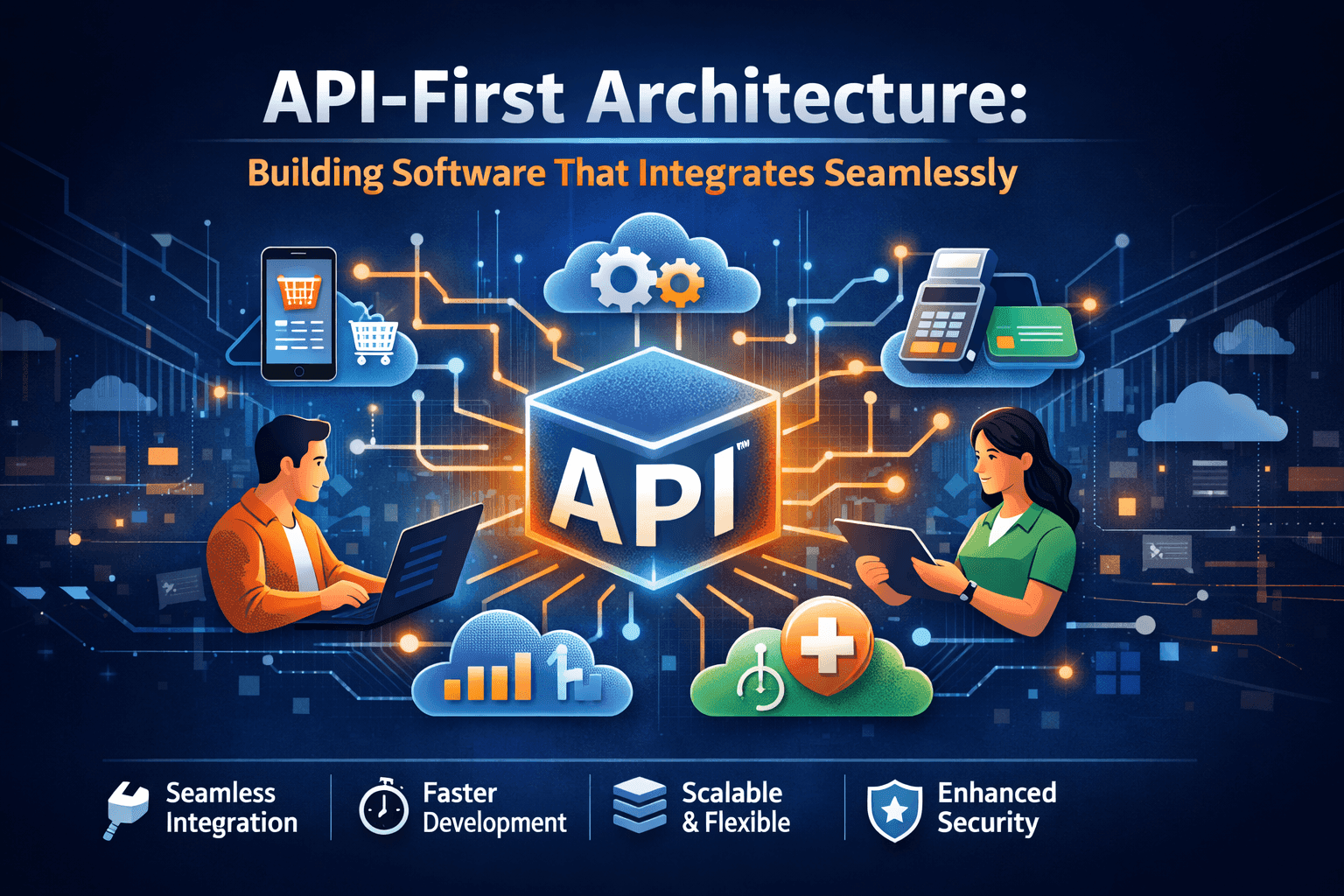
🔸 Secure API Gateways:
Token-based authentication (OAuth 2.0, JWT) with rate limiting and intrusion detection.
🔸 Role-Based Access Control (RBAC):
Employees only see data relevant to their role (e.g., a delivery driver can’t access payroll).
🔸 Remote Wipe & Device Management:
If a company phone is lost, admins can remotely erase corporate data.
We also conduct penetration testing and compliance audits to ensure your app meets industry standards.
5. Cloud-Native Architecture: Scalability Meets Real-Time Performance
Modern mobile apps are cloud-first. By leveraging AWS, Azure, or Firebase, we build apps that scale effortlessly during peak demand while delivering real-time responsiveness.
Key Benefits of Cloud Integration:
🔸 Real-Time Data Sync:
Sales reps see live inventory levels; managers get instant KPI updates.
🔸 Offline-First Capability:
Apps cache data locally and sync when connectivity resumes—critical for field operations in remote areas.
🔸 Serverless Backend:
Reduces infrastructure costs and auto-scales with usage.
🔸Advanced Analytics:
Track user behavior, crash reports, and feature adoption via integrated dashboards (e.g., Mixpanel, Amplitude).
Our cloud-mobile integrations also connect seamlessly with Accinge ERP and HRMS, enabling features like:
- Submitting leave requests from a mobile app → auto-approved in HRMS
- Scanning an asset QR code → pulling full history from the Asset Tracking System
6. Augmented Reality (AR) and Immersive Interactions
AR is no longer just for gaming. In 2026, industries are using visual computing to solve real business problems.
Practical AR Use Cases We’ve Implemented:
🔸Retail: Customers point their phone at a room and “place” virtual furniture to see how it fits (integrated with 3D product catalogs).
🔸Real Estate: Walk through a property via AR overlay—even before construction is complete.
🔸Manufacturing & Maintenance: Technicians see step-by-step repair instructions overlaid on machinery via smart glasses or mobile cameras.
🔸Training & Onboarding: New hires practice safety procedures in simulated AR environments.
Using ARKit (iOS) and ARCore (Android), we build lightweight, high-fidelity AR experiences that run smoothly on mid-range devices.
7. Integration with Core Business Systems: The Ultimate Competitive Edge
The most powerful mobile apps in 2026 don’t operate in isolation—they’re extensions of your enterprise ecosystem.
At Accinge, we specialize in deep integrations between mobile apps and:
🔸ERP: View purchase orders, approve invoices, check financial dashboards
🔸HRMS: Apply for leave, view payslips, complete training modules
🔸Asset Tracking System: Scan, assign, or report issues on company equipment
🔸CRM: Log calls, update leads, access customer history
🔸Ticketing System: Create and resolve support tickets on the go
This turns mobile devices into command centers for your entire operation.
For instance, when a field technician uses our mobile app to scan a faulty generator, the app pulls its maintenance history from the Asset Tracing System, logs a new ticket, and auto-orders replacement parts via ERP—all in under 60 seconds.
Conclusion: Mobile Apps Are Your Strategic Growth Lever in 2026
The future of business is mobile—and intelligent, connected, and secure. Companies that embrace these 2026 trends will enjoy:
- Higher customer retention through seamless experiences
- Greater operational efficiency via mobile workflows
- Stronger data control with real-time insights
- Faster innovation cycles thanks to cross-platform agility
At Accinge Technologies, we combine technical excellence with deep business understanding to build mobile apps that solve real problems and deliver measurable ROI.
Ready to transform your mobile strategy?
👉 Contact us today for a free consultation and discover how a modern mobile app can accelerate your growth in 2026 and beyond.